
In Uganda, domestic employment is often handled informally; through friends, relatives, brokers, or taxi park connections. While this may seem convenient, it exposes both homeowners and domestic workers to serious risks: identity uncertainty, unclear expectations, sudden disappearances, false accusations, exploitation, and conflict.
Maidmatch was built to bring structure, documentation, and professionalism into this space. Our process is intentionally designed to protect both sides.
The protection begins before any placement happens. Every homeowner completes a structured needs assessment so we understand the household environment, expectations, and required skill level. We do not randomly “send a maid.” We match based on compatibility. This reduces misunderstandings, lowers turnover, and prevents workers from being placed in homes that demand skills they do not possess. When expectations are clear from the beginning, conflict is less likely to arise later.
Identity verification is another critical safeguard. Domestic workers placed through Maidmatch must provide verifiable identification and undergo basic screening procedures. This gives homeowners confidence about who is entering their homes. At the same time, proper documentation protects workers from being treated as “unknown persons” or facing false accusations without records. Accountability protects everyone.
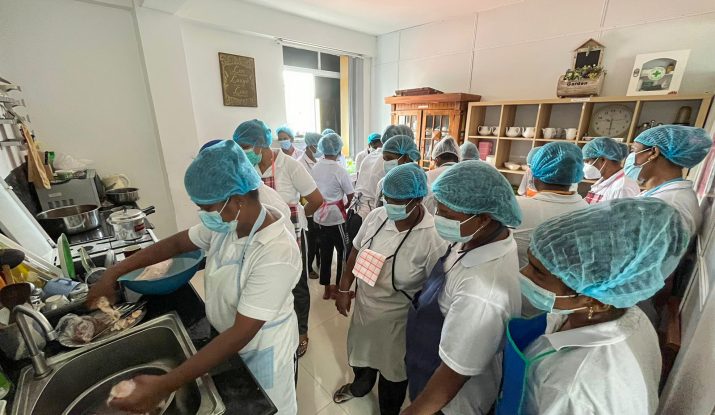
For trained placements, we invest in structured preparation. Workers are trained in basic housekeeping standards, hygiene, communication etiquette, childcare basics, and professional conduct. This benefits homeowners through improved service quality and reduced supervision stress. It also benefits workers by increasing their competence, confidence, and long-term employability. Training transforms domestic work from informal labor into professional service.
We also operate with written terms and clearly defined conditions. Timelines are stated. Guarantees are explained. Responsibilities are clarified. This transparency protects homeowners from unrealistic expectations and protects domestic workers from undefined job roles or hidden demands. Both parties understand the boundaries of the arrangement from the outset.
Our delivery process is coordinated and documented. Homeowners are informed when travel begins and when arrival is expected. This reduces uncertainty and ensures accountability. Where applicable, replacement policies are structured and time-bound, giving homeowners reduced financial risk while ensuring workers are not simply discarded in the event of a mismatch.
Importantly, Maidmatch also defines its liability boundaries clearly. A professional system must state where its responsibility begins and ends. By clarifying these limits, we reduce confusion and prevent disputes that often arise in informal arrangements.
At its core, Maidmatch operates on one principle: dignity with structure. Homeowners deserve safety and reliability in their homes. Domestic workers deserve clarity, respect, and fair placement. By combining verification, training, documentation, and defined processes, we create a safer and more stable domestic employment ecosystem.
Maidmatch is not just about finding help for a home. It is about creating protection, professionalism, and peace of mind for everyone involved.